
Understanding ADHD and how it works and doesn't work for you.
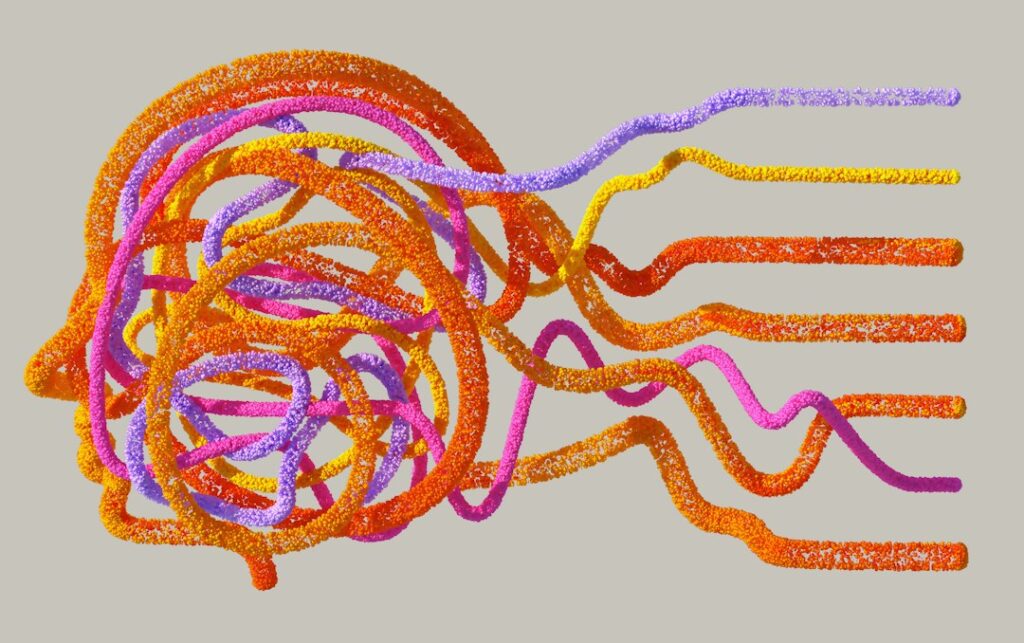
Learn what ADHD is, how it shows up in adults, how it is diagnosed, and which treatments and daily strategies can help.
Attention-deficit/hyperactivity disorder (ADHD) is a neurodevelopmental condition that affects how a person focuses, organizes tasks, manages energy, and controls impulses. It is one of the most commonly diagnosed conditions in childhood, and many people continue to experience it as adults. This guide explains what ADHD is, how it appears in everyday life, and where to find reliable support.
What Is ADHD?
ADHD is linked to differences in the brain areas that handle attention, planning, and self-control. It is not caused by laziness, poor parenting, or low intelligence. Symptoms usually begin in childhood, must be present in more than one setting, such as home and school or work, and must interfere with daily functioning to meet diagnostic criteria.
ADHD in Adults
In adults, hyperactivity tends to become an inner restlessness, while problems with time management, organization, and emotional regulation become more noticeable. Many adults, especially women, are diagnosed only after a child is evaluated or after years of feeling overwhelmed without knowing why. Adult symptoms could like like chronic tardiness, forgetting things easily, hyper focus on things you enjoy, constantly moving, and more. These symptoms often lead to issues with work, school, and relationships.
Causes and Risk Factors
Research shows that genetics play a major role, and ADHD often runs in families. Other factors that may contribute include premature birth, low birth weight, and prenatal exposure to alcohol or tobacco. Sugar, screen time, and parenting style have not been shown to cause ADHD, although they can affect how symptoms look day to day.
How ADHD Is Diagnosed
There is no single test for ADHD. A licensed clinician, such as a psychiatrist, psychologist, or pediatrician, gathers information through interviews, symptom rating scales, and a review of personal and family history. They also rule out other explanations, including anxiety, depression, sleep problems, learning differences, and thyroid conditions, which can look similar or occur alongside ADHD.
Treatment and Management Options
The most effective plans combine several approaches:
- Therapy: cognitive behavioral therapy (CBT) for adults and behavior training for parents of young children.
- Coaching and accommodations: extra time on tests, flexible deadlines, and organizational coaching at school or work.
- Daily habits: regular sleep, physical activity, written routines, visual reminders, and timers for breaking big tasks into small steps.
- Medication: collaboration with a prescribing clinician for stimulant and non-stimulant options.
When to Seek Help
Consider speaking with a healthcare professional if attention, restlessness, or impulsivity regularly disrupts school, work, relationships, or mental well-being. Early support makes a real difference, but it is never too late to get an evaluation.
Next Steps
Schedule a free 15 minute phone consultation to see how we at Rolling with Life LLC can assist you on your journey to coping with ADHD.
**This page is for general education and is not a substitute for professional medical advice, diagnosis, or treatment.